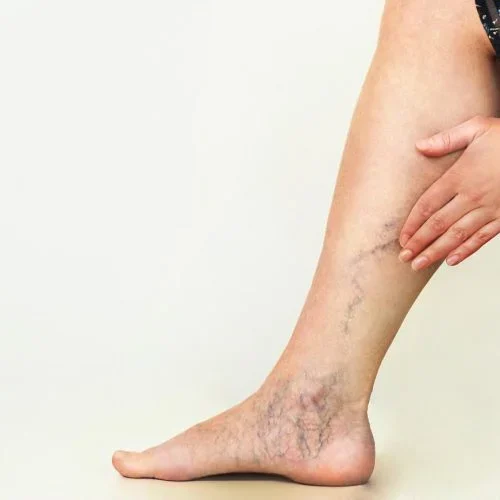
Peripheral Arterial Disease Treatment focuses on restoring healthy blood flow to the legs and arms that have been affected by artery narrowing. This condition, caused by plaque buildup in the arteries, limits oxygen supply to tissues and muscles, leading to leg pain, cramps, fatigue, and even non-healing wounds. Proper and timely Peripheral Arterial Disease Treatment helps relieve these symptoms, prevent complications, and improve mobility.
Modern medicine now offers minimally invasive, image-guided methods to treat Peripheral Arterial Disease (PAD) effectively. Unlike traditional surgery, these advanced treatments involve no large incisions or long recovery periods. Through interventional radiology, doctors can now open blocked arteries safely and painlessly, ensuring lasting relief and better limb health.
Today’s Peripheral Arterial Disease Treatment uses several image-guided, endovascular procedures such as Angioplasty, Stenting, and Atherectomy to restore circulation.
Angioplasty:
A tiny balloon is guided through the blocked artery and inflated to open it up, restoring smooth blood flow.
Stenting:
After angioplasty, a small metal mesh tube called a stent is placed to keep the artery open permanently.
Atherectomy:
In this technique, plaque deposits are carefully removed from the artery walls using a special catheter.
All these methods are performed under local anesthesia using real-time imaging. Patients experience minimal discomfort, no scars, and can walk home the same day. These approaches make Peripheral Arterial Disease Treatment highly safe, precise, and effective.
Modern Peripheral Arterial Disease Treatment offers numerous benefits that make it the preferred choice for patients worldwide:
No open surgery or long recovery time
Painless, scar-free, and outpatient procedure
Quick restoration of blood circulation
Significant reduction in leg pain and fatigue
Lower risk of amputation or further complications
With these treatments, patients regain mobility, energy, and confidence. The goal of every Peripheral Arterial Disease Treatment is not just to relieve pain but to enhance quality of life through improved blood flow and function.
Interventional radiology-based Peripheral Arterial Disease Treatment offers a major advantage — precision. Using advanced imaging such as ultrasound or angiography, doctors can visualize and treat the exact blockage without affecting surrounding tissues.
This ensures maximum safety, minimal pain, and faster healing. For people suffering from leg pain, slow-healing wounds, or numbness, early diagnosis and Peripheral Arterial Disease Treatment can prevent serious complications like ulcers or gangrene. Choosing this treatment means choosing faster relief, healthier legs, and a better life.
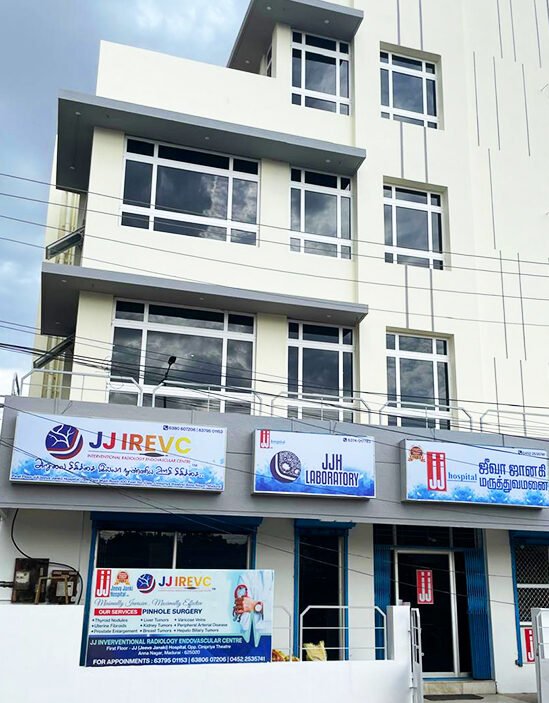
JJIREVC a pioneering initiative by JJ Hospital, brings world-class minimally invasive treatments to Madurai for the very first time.
Quick Contacts
-
Phone :
+91 63806 07206
+91 6379501153 | 0452 2535383 - Email : info@jjirevc.com | jjirevc@gmail.com
- Address : First Floor, @ JJ (Jeeva Janki) Hospital, 785, East Main Road, Anna Nagar, Madurai