surgeries, it now relies on image-guided, non-surgical solutions that save lives with minimal risk.
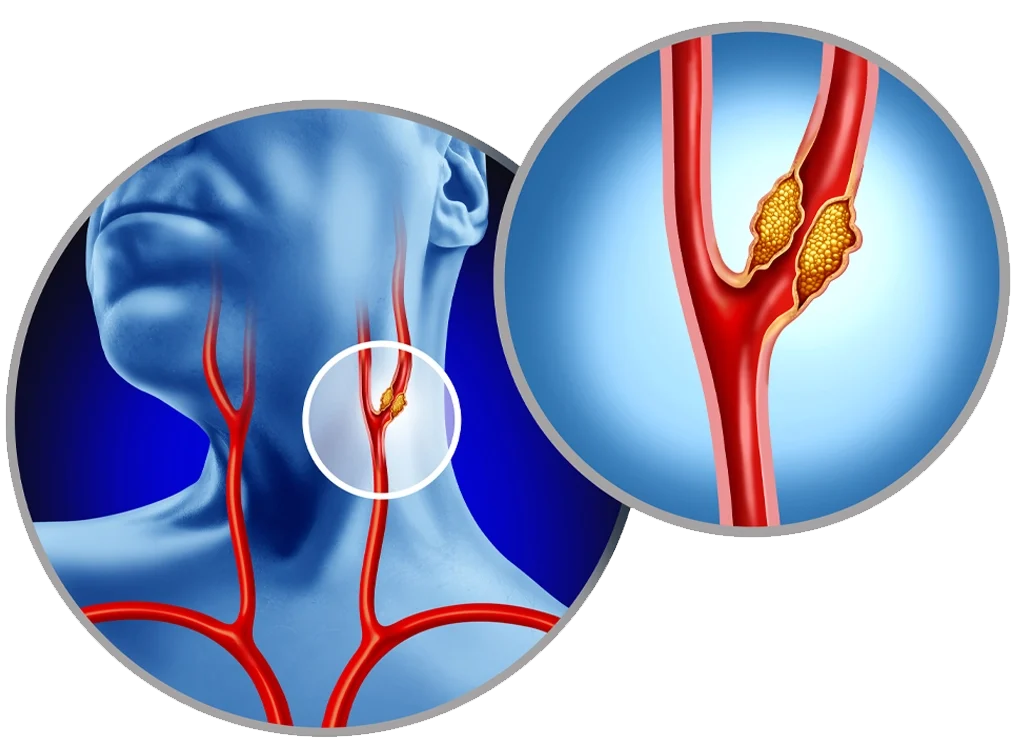
Carotid artery disease occurs when fatty deposits (plaques) narrow or block arteries that deliver blood to the brain. Without timely care, this condition can cause transient ischemic attacks (mini-strokes) or major strokes. Modern Carotid Artery Disease Treatment aims to restore blood flow while minimizing discomfort, hospitalization, and recovery time.
In Carotid Artery Disease Treatment, doctors use endovascular techniques guided by advanced imaging. A microcatheter is inserted through a small puncture in the groin or wrist. Using live X-ray images, the catheter is guided to the carotid artery.
In Carotid Artery Stenting (CAS), a balloon expands the blocked area, and a stent keeps it open.
In Angioplasty, only the balloon is used to widen the artery.
Both methods immediately restore blood flow, reducing the risk of stroke. The entire procedure typically takes less than 90 minutes, with patients walking out within a day.
Modern Carotid Artery Disease Treatment offers several clear advantages over conventional surgery:
No open incisions or scars
Minimal pain and recovery time
Quick discharge — most patients return home the same day
Lower risk of complications
Long-term stroke prevention
This approach provides effective, lasting relief with minimal disruption to daily life.
Early diagnosis is the key to successful Carotid Artery Disease Treatment. Patients experiencing dizziness, blurred vision, or weakness in limbs should undergo screening. Imaging techniques like Doppler ultrasound and angiography can identify blockages early.
When treated promptly using non-surgical methods, the success rate is extremely high. With expert interventional radiology care, patients can live stroke-free, active lives with restored confidence and circulation.
JJIREVC a pioneering initiative by JJ Hospital, brings world-class minimally invasive treatments to Madurai for the very first time.
Leave a Reply