JJIREVC

The First Percutaneous Thyroid Nodule Ablation in Tamil Nadu

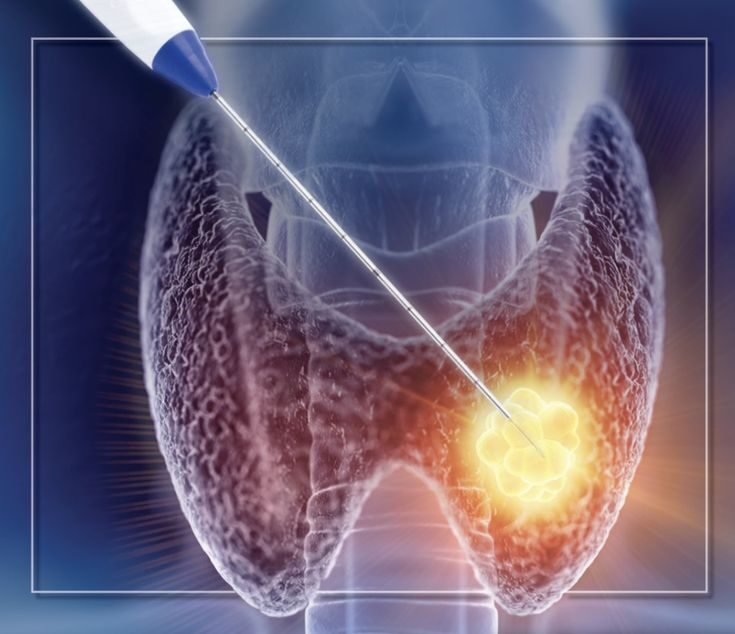
The first percutaneous thyroid nodule ablation in Tamil Nadu marks a major advancement in thyroid care. Traditionally, thyroid nodules were managed with surgery, which involved scars, hospital stay, and long recovery. Percutaneous thyroid nodule ablation introduced a minimally invasive, image-guided alternative that treats nodules without open surgery. This milestone has transformed how thyroid nodules are managed, offering patients safer and more comfortable treatment options

At JJ Interventional Radiology & Endovascular Centre, we treat both benign and malignant liver tumors using minimally invasive interventional radiology methods. Our approach avoids open surgery while ensuring maximum accuracy.

Percutaneous thyroid nodule ablation is a minimally invasive procedure where a fine probe or needle is inserted through the skin directly into the thyroid nodule under imaging guidance. Heat or energy is applied to shrink or destroy the nodule while preserving surrounding healthy thyroid tissue. The first percutaneous thyroid nodule ablation in Tamil Nadu demonstrated that thyroid nodules can be treated effectively without surgical removal of the gland.

The introduction of the first percutaneous thyroid nodule ablation in Tamil Nadu has reduced the need for thyroid surgery in selected patients. This technique offers significant benefits such as no visible scars, minimal pain, and faster recovery. It is especially useful for patients with benign thyroid nodules causing cosmetic concerns or pressure symptoms. The procedure is performed as a daycare treatment, allowing patients to return home the same day.

The success of the first percutaneous thyroid nodule ablation in Tamil Nadu has paved the way for wider adoption of minimally invasive thyroid treatments. It has improved patient confidence, reduced surgical risks, and preserved thyroid function. This advancement represents a shift toward image-guided, precision-based thyroid care that focuses on safety, effectiveness, and quality of life.
Leave a Reply

Your email address will not be published. Required fields are marked *