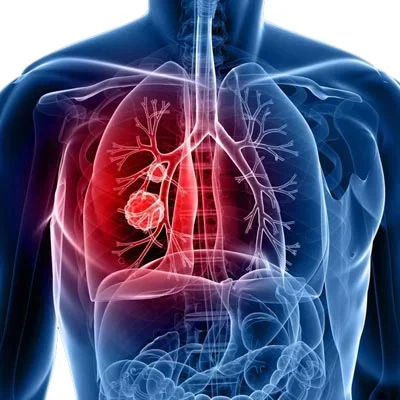
Interventional Oncology is a rapidly evolving field of medicine that focuses on treating cancer using minimally invasive, image-guided procedures. Unlike traditional cancer treatments such as open surgery, Interventional Oncology offers targeted therapies that directly act on tumors while preserving healthy surrounding tissues. These procedures are performed using advanced imaging techniques such as CT, ultrasound, and fluoroscopy, allowing specialists to precisely locate and treat tumors. Interventional Oncology plays a crucial role in modern cancer care by providing effective treatment options with reduced complications, faster recovery, and improved patient comfort. At advanced interventional radiology centres, Interventional Oncology is used to manage a wide range of cancers, including liver, kidney, lung, and bone tumors, offering patients safe and effective alternatives to conventional treatments.

Interventional Oncology is an important component of comprehensive cancer care, working alongside surgery, chemotherapy, and radiation therapy. It provides both curative and palliative treatment options depending on the stage and type of cancer. By using minimally invasive techniques, Interventional Oncology helps reduce tumor size, control symptoms, and improve quality of life. These procedures are often recommended for patients who are not suitable for surgery or those who require additional treatment to complement other therapies. The integration of Interventional Oncology into treatment planning allows for a personalized approach that improves outcomes and enhances patient safety.
Interventional Oncology is widely used in treating various cancers, particularly those affecting the liver, kidneys, lungs, and bones. Common procedures include tumor ablation, embolization therapies, and targeted drug delivery. These treatments are designed to destroy cancer cells, cut off blood supply to tumors, or deliver medication directly to the affected area. Interventional Oncology is especially beneficial for patients with inoperable tumors or those who require minimally invasive treatment options. By targeting the tumor directly, Interventional Oncology reduces damage to healthy tissues and improves treatment effectiveness.
Procedures in Interventional Oncology are performed using advanced imaging guidance to ensure accuracy and safety. Techniques such as radiofrequency ablation, microwave ablation, chemoembolization, and radioembolization are commonly used to treat tumors. During these procedures, a needle or catheter is guided to the tumor site, and treatment is delivered directly to the affected area. The precision of Interventional Oncology procedures allows for effective tumor control while minimizing side effects. Patients benefit from shorter hospital stays and faster recovery compared to traditional surgical methods.
🔹 Minimally Invasive Treatment
Interventional Oncology avoids major surgery and reduces recovery time.
🔹 Targeted Therapy
Treatment is delivered directly to the tumor, improving effectiveness.
🔹 Reduced Side Effects
Healthy tissues are preserved, minimizing complications.
🔹 Faster Recovery
Patients can return to normal activities sooner.
🔹 Improved Quality of Life
Helps manage symptoms and enhances patient comfort.
Interventional Oncology is recommended for patients with localized tumors, inoperable cancers, or those requiring palliative care. It is also used in combination with other treatments to enhance effectiveness. Patients who are not suitable for surgery due to medical conditions can benefit significantly from Interventional Oncology procedures. Each treatment plan is customized based on the type and stage of cancer, ensuring optimal outcomes.
Advanced interventional radiology centres offering Interventional Oncology provide state-of-the-art facilities and experienced specialists who perform these procedures with precision and care. The use of modern technology ensures accurate diagnosis and effective treatment, helping patients achieve better outcomes. Choosing a centre with expertise in Interventional Oncology ensures access to advanced cancer care with minimal risk and maximum benefit.
JJIREVC a pioneering initiative by JJ Hospital, brings world-class minimally invasive treatments to Madurai for the very first time.
Quick Contacts
-
Phone :
+91 63806 07206
+91 6379501153 | 0452 2535383 - Email : info@jjirevc.com | jjirevc@gmail.com
- Address : First Floor, @ JJ (Jeeva Janki) Hospital, 785, East Main Road, Anna Nagar, Madurai