JJIREVC

Minimally Invasive Treatment
  • Minimally Invasive Treatment refers to advanced medical procedures performed through tiny punctures or small incisions using image guidance instead of open surgery. These treatments use catheters, needles, and energy-based technologies to diagnose and treat medical conditions with high precision. Minimally Invasive Treatment focuses on reducing pain, minimizing tissue damage, and ensuring faster recovery while delivering effective clinical results.

    This approach has transformed modern healthcare by offering safer alternatives to traditional surgery across multiple specialties.

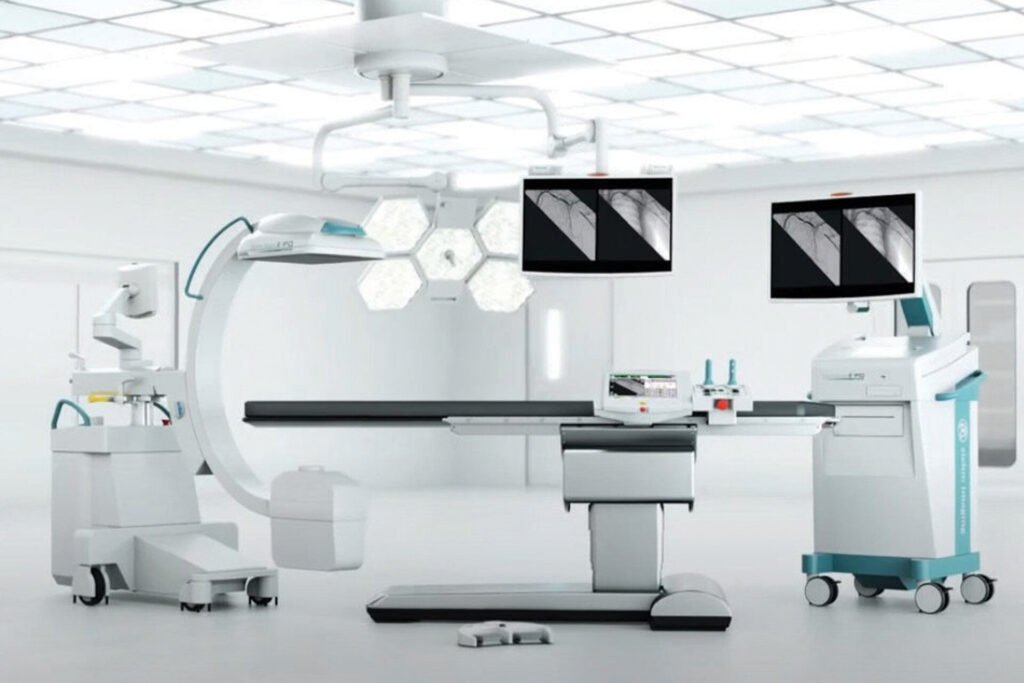
In Minimally Invasive Treatment, doctors use real-time imaging such as ultrasound, CT, MRI, or fluoroscopy to guide instruments accurately to the target area. Through a pinhole-sized entry, treatment is delivered directly to the affected tissue. Because the approach is precise and controlled, surrounding healthy structures are preserved.

Most Minimally Invasive Treatment procedures are performed under local anesthesia or mild sedation and are completed as daycare procedures, allowing patients to return home the same day.
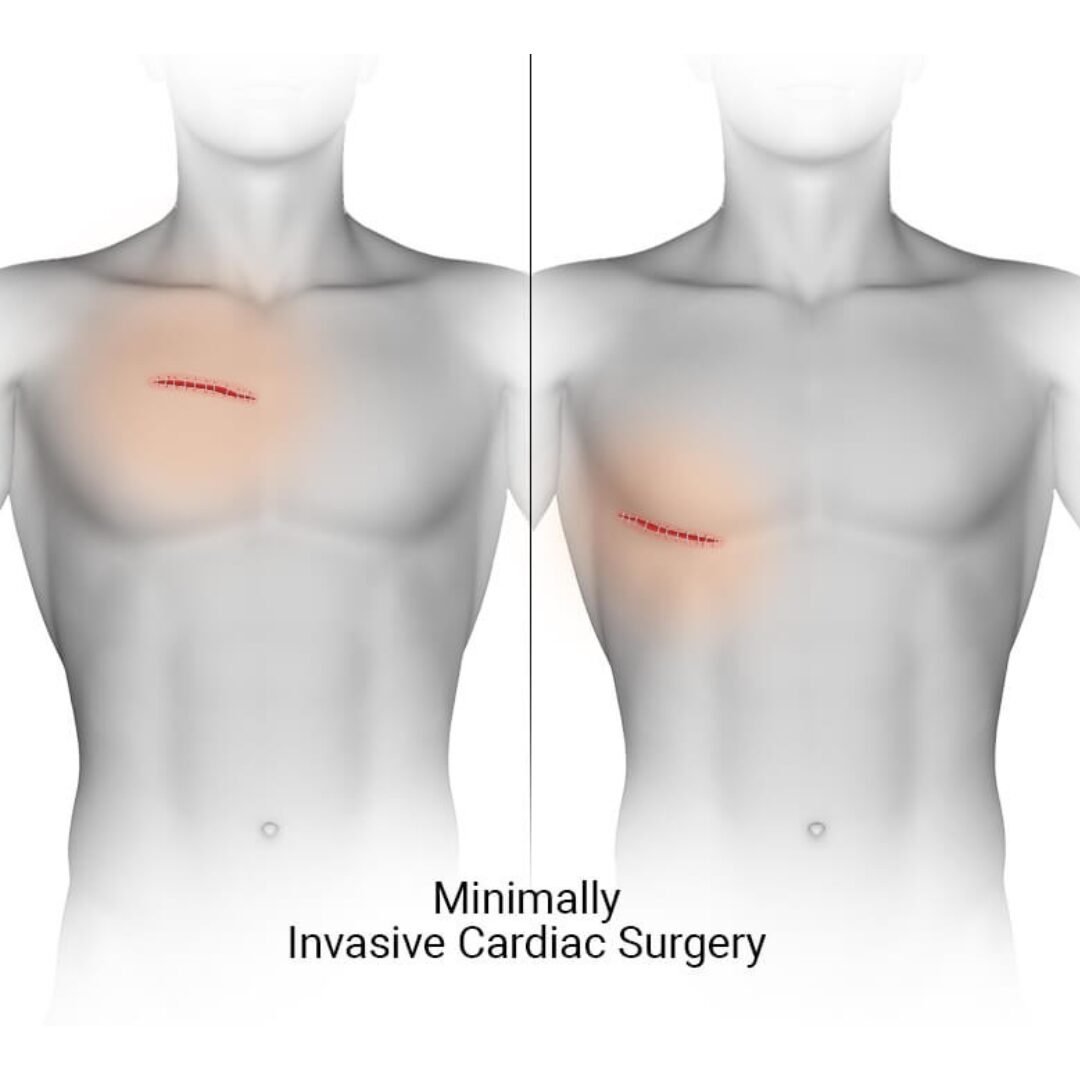
  • No major surgery or large incisions
  • Minimal pain and blood loss

  • Faster recovery and early discharge

  • Lower risk of infection and complications

  • Short hospital stay or daycare procedure

  • Better cosmetic outcomes

  • Suitable for elderly and high-risk patients

Minimally Invasive Treatment prioritizes patient comfort without compromising treatment effectiveness.

Minimally Invasive Treatment is widely used for managing tumors, thyroid nodules, varicose veins, knee pain, bile duct blockages, prostate enlargement, and various vascular conditions. After proper imaging and evaluation, specialists determine the most suitable minimally invasive approach for each patient.