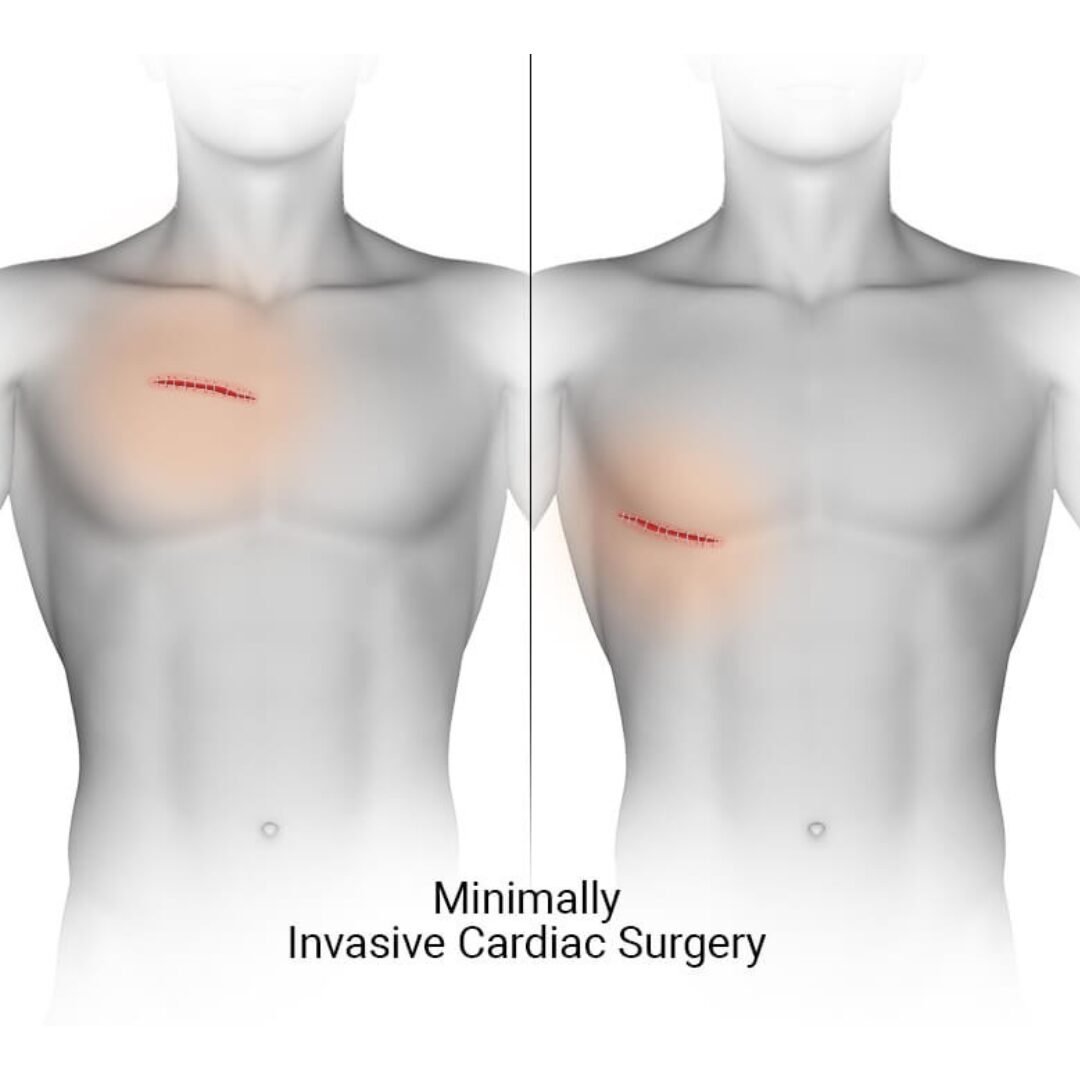
Minimally Invasive Treatment has transformed modern healthcare by offering advanced medical solutions that avoid traditional open surgery. Instead of large incisions, these procedures use small punctures, image guidance, and specialized instruments to treat various conditions with precision. The goal of Minimally Invasive Treatment is to reduce trauma to the body while delivering effective results, making it a preferred choice for both patients and doctors. Conditions involving blood vessels, tumors, joints, and internal organs can now be treated using Minimally Invasive Treatment, ensuring faster recovery and fewer complications. At advanced centres, this approach is widely used in interventional radiology, oncology, vascular care, and pain management, providing patients with safer and more comfortable treatment options.
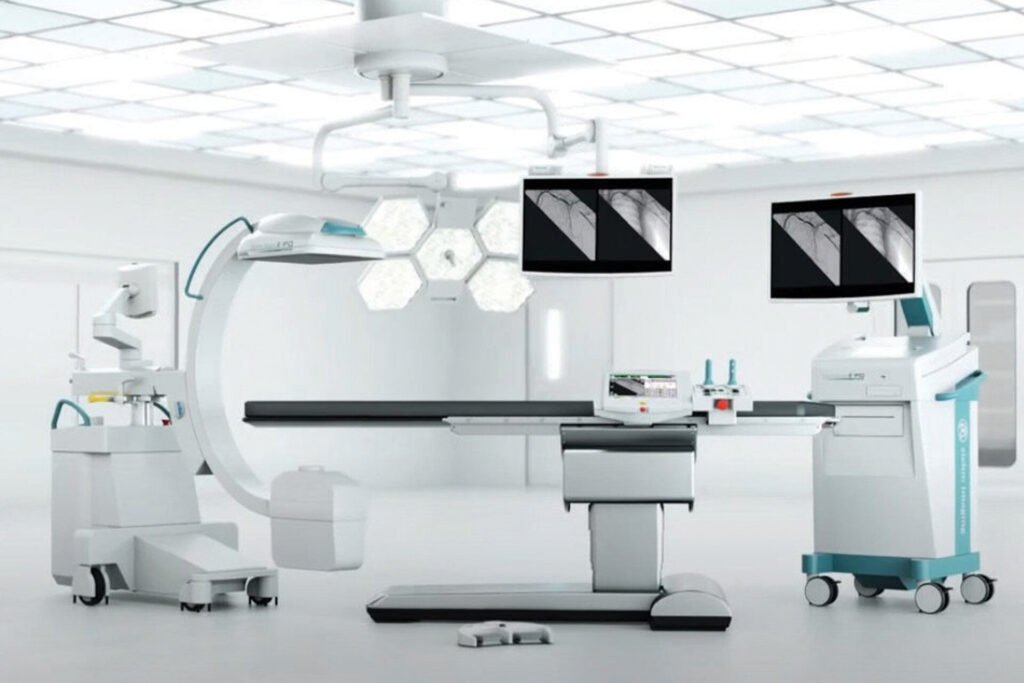
The role of Minimally Invasive Treatment in healthcare has expanded significantly due to advancements in imaging technology and medical devices. Procedures are performed using real-time imaging such as ultrasound, CT scan, or fluoroscopy, allowing doctors to target the exact area of concern. This precision improves treatment effectiveness while preserving healthy tissues. Minimally Invasive Treatment is commonly used in procedures like tumor ablation, embolization, stenting, and image-guided biopsies. These treatments are often performed as daycare procedures, meaning patients can return home the same day. The growing preference for Minimally Invasive Treatment reflects its ability to deliver high-quality outcomes with reduced risk and improved patient comfort.
Minimally Invasive Treatment is used across multiple medical specialties to treat a wide range of conditions. In vascular diseases, it helps manage varicose veins and blocked arteries. In oncology, it is used to treat tumors through ablation and embolization techniques. In urology and gynecology, procedures such as prostate artery embolization and fibroid embolization provide effective treatment without surgery. Minimally Invasive Treatment is also used in pain management for conditions like chronic knee pain. The versatility of this approach makes it an essential part of modern healthcare, offering solutions for patients who may not be suitable for traditional surgery.
The process of Minimally Invasive Treatment typically involves inserting a catheter, needle, or small instrument through a tiny puncture in the skin. Using imaging guidance, the doctor navigates the instrument to the target area and performs the required treatment. This could involve delivering medication, blocking abnormal blood vessels, removing tissue, or destroying tumors using heat or other energy sources. The precision of Minimally Invasive Treatment ensures that only the affected area is treated, minimizing damage to surrounding tissues. The procedure is usually performed under local anesthesia or mild sedation, making it safer and more comfortable for patients.
🔹 No Major Surgery
Minimally Invasive Treatment eliminates the need for large incisions and surgical trauma.
🔹 Faster Recovery
Patients can return to normal activities within a short period.
🔹 Reduced Pain and Scarring
Smaller entry points result in minimal discomfort and better cosmetic outcomes.
🔹 Lower Risk of Complications
Reduced risk of infection and bleeding compared to traditional surgery.
🔹 Shorter Hospital Stay
Most procedures are performed as daycare treatments.
Before undergoing Minimally Invasive Treatment, patients are evaluated through clinical examination and imaging tests to determine the exact nature of the condition. Diagnostic tools such as ultrasound, CT scans, MRI, and blood tests help identify the affected area and guide treatment planning. Proper evaluation ensures that Minimally Invasive Treatment is the most suitable option for the patient. This step is crucial for achieving optimal results and avoiding unnecessary procedures.
The cost of Minimally Invasive Treatment varies depending on the type of procedure, complexity of the condition, and hospital facilities. However, it is often more cost-effective than traditional surgery due to shorter hospital stays, reduced complications, and faster recovery. Patients benefit from fewer post-procedure expenses and quicker return to work. Choosing Minimally Invasive Treatment provides both medical and financial advantages, making it an accessible option for many individuals.
Recovery after Minimally Invasive Treatment is typically faster compared to open surgery. Patients may experience mild discomfort at the puncture site, but this usually resolves quickly. Most individuals can resume normal activities within a few days, depending on the procedure. Follow-up care is important to monitor recovery and ensure that the treatment has been successful. The quick recovery associated with Minimally Invasive Treatment is one of its major advantages.
While Minimally Invasive Treatment is generally safe, it is important to be aware of potential risks. These may include minor bleeding, infection, or temporary discomfort. However, the risk of complications is significantly lower compared to traditional surgery. Proper patient selection, experienced specialists, and advanced technology ensure that Minimally Invasive Treatment remains a safe and effective option for most patients.
Advanced interventional centres provide Minimally Invasive Treatment using state-of-the-art technology and experienced specialists. The focus is on precision, safety, and patient comfort, ensuring high-quality outcomes. Patients benefit from advanced care that avoids surgery while delivering effective results, making Minimally Invasive Treatment a preferred choice in modern healthcare.
JJIREVC a pioneering initiative by JJ Hospital, brings world-class minimally invasive treatments to Madurai for the very first time.
Quick Contacts
-
Phone :
+91 63806 07206
+91 6379501153 | 0452 2535383 - Email : info@jjirevc.com | jjirevc@gmail.com
- Address : First Floor, @ JJ (Jeeva Janki) Hospital, 785, East Main Road, Anna Nagar, Madurai