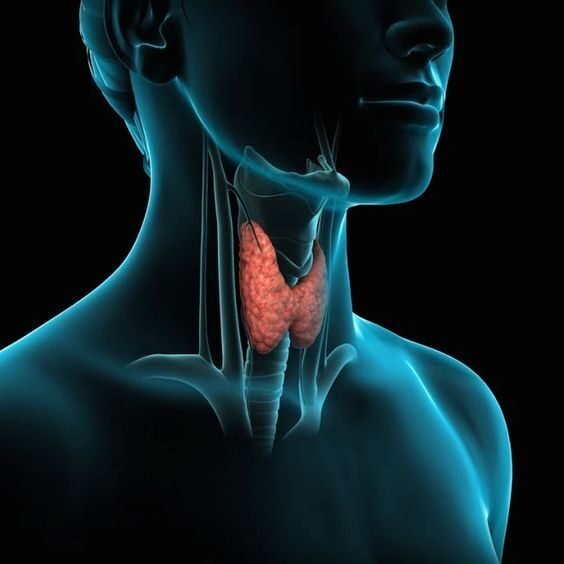
Thyroid nodules are abnormal growths that develop within the thyroid gland, which is located at the front of the neck. These nodules are common and may occur in both men and women, although they are more frequently seen in women. Most thyroid nodules are benign, but a small percentage may require medical intervention.
Patients searching for Thyroid Nodule Treatment often experience symptoms such as visible neck swelling, difficulty swallowing, voice changes, throat discomfort, or pressure sensation. In some cases, thyroid nodules are discovered incidentally during routine health check-ups or ultrasound examinations.
Early evaluation is essential because proper Thyroid Nodule Treatment depends on accurate diagnosis. Ignoring symptoms may allow nodules to grow larger, leading to cosmetic concerns or compression-related complications.
With advancements in interventional radiology, modern Thyroid Nodule Treatment now offers minimally invasive, scar-free solutions that preserve thyroid function and avoid major surgery.
Thyroid nodules can be classified into:
• Solid nodules
• Cystic nodules
• Mixed solid-cystic nodules
• Benign adenomas
• Suspicious or malignant nodules
Accurate diagnosis plays a critical role in planning Thyroid Nodule Treatment. Evaluation typically includes:
• Thyroid function blood tests
• Ultrasound imaging
• Doppler study
• Fine Needle Aspiration Cytology (FNAC)
• Image-guided biopsy if required
Ultrasound helps determine size, location, and internal characteristics of the nodule. FNAC confirms whether the nodule is benign or malignant.
Based on results, doctors decide whether monitoring, medical therapy, or advanced Thyroid Nodule Treatment is necessary.
In the past, large thyroid nodules were treated primarily through surgical removal. While surgery is still necessary in certain cancer cases, many benign nodules can now be treated using minimally invasive procedures.
Advanced Thyroid Nodule Treatment includes:
• Radiofrequency Ablation (RFA)
• Ethanol Ablation for cystic nodules
• Image-guided minimally invasive techniques
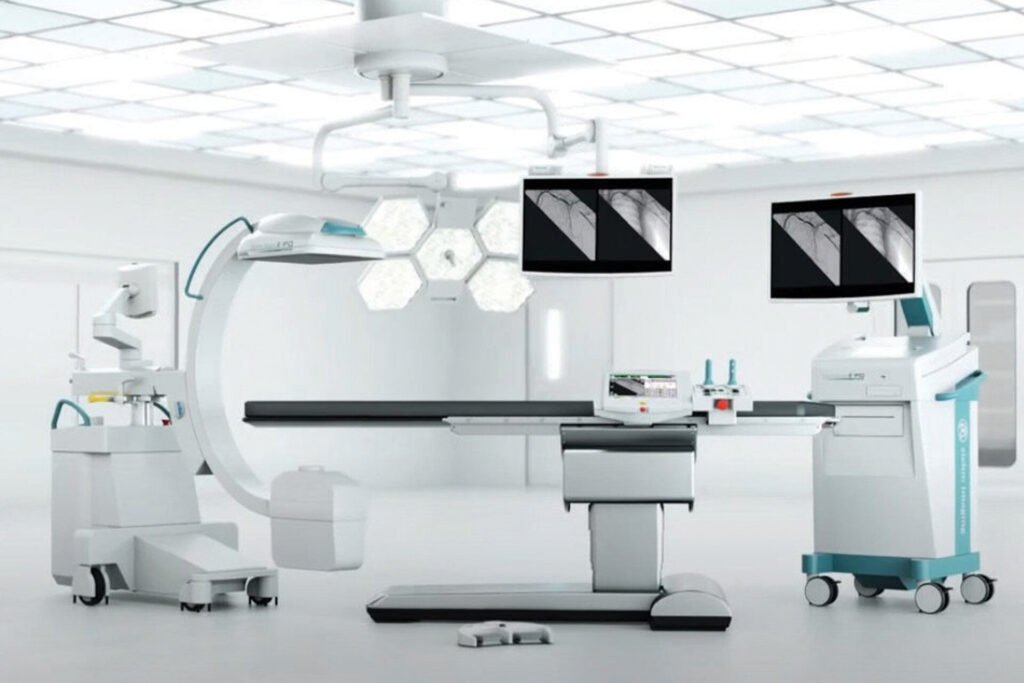
Radiofrequency Ablation uses controlled thermal energy to shrink the nodule. A thin probe is inserted into the nodule under ultrasound guidance. Heat energy destroys abnormal tissue while preserving the rest of the thyroid gland.
Compared to traditional surgery, modern Thyroid Nodule Treatment offers:
• No large neck incision
• No visible scar
• Preservation of thyroid function
• Short hospital stay
• Faster recovery
• Minimal discomfort
Because thyroid hormone production is preserved, patients often avoid lifelong medication.
You may require Thyroid Nodule Treatment if:
• The nodule is increasing in size
• You experience swallowing difficulty
• There is cosmetic concern
• FNAC shows suspicious or malignant changes
• The nodule causes voice change or pressure symptoms
Not all nodules require immediate treatment. Some small, benign nodules may only need regular monitoring. However, when symptoms develop or growth is significant, structured Thyroid Nodule Treatment becomes necessary.
Early intervention prevents complications and improves patient confidence.
Modern minimally invasive Thyroid Nodule Treatment offers multiple advantages.
First, it preserves the thyroid gland and its hormonal function.
Second, recovery time is significantly shorter compared to open surgery.
Third, cosmetic results are superior because there is no large scar on the neck.
Fourth, complication risks such as nerve injury are reduced in experienced hands.
Fifth, most procedures are performed as daycare treatments.
Because of these benefits, minimally invasive Thyroid Nodule Treatment is becoming the preferred option for many patients
Patients undergoing RFA or other minimally invasive procedures typically notice gradual reduction in nodule size over months. Symptoms such as pressure sensation or cosmetic swelling improve steadily.
Regular ultrasound follow-up ensures monitoring of nodule shrinkage and early detection of recurrence if necessary.
With early diagnosis and appropriate Thyroid Nodule Treatment, patients can maintain thyroid function and enjoy improved quality of life without major surgery.
Advancements in imaging and interventional techniques continue to improve safety and effectiveness in thyroid care.
JJIREVC a pioneering initiative by JJ Hospital, brings world-class minimally invasive treatments to Madurai for the very first time.
Quick Contacts
-
Phone :
+91 63806 07206
+91 6379501153 | 0452 2535383 - Email : info@jjirevc.com | jjirevc@gmail.com
- Address : First Floor, @ JJ (Jeeva Janki) Hospital, 785, East Main Road, Anna Nagar, Madurai
Leave a Reply